You are a yoga teacher, a wellness coach, a creative facilitator, a leadership trainer. You are good at what you do. You have a following, a community, a vision for the kind of transformative experience you want to create. And you have been thinking about hosting your own retreat.
The idea is exciting. It is also, if you are being honest, slightly terrifying. The logistics of booking a venue, pricing, marketing, managing registrations, handling meals and activities and transfers feels like a different skillset entirely from the one that made you want to host a retreat in the first place.
This guide covers what you actually need to know, practically and honestly, to go from idea to a fully booked retreat.
Step 1: Define the Experience
Before you look at venues or crunch numbers, answer one question: what transformation will your participants experience? Not what activities will they do, not what modalities you will use, but what will be different about them when they leave?
This is your north star. Everything else flows from it. If the transformation is inner peace, the venue should be peaceful. If it is creative breakthrough, the venue should inspire. If it is physical challenge, the venue should offer wilderness. If it is connection, the venue should be intimate enough for genuine bonding.
Key Decisions at This Stage
- Group size: Smaller groups (4-8 people) create deeper connection but require higher per-person pricing. Larger groups (10-20) spread costs but dilute intimacy. Most first-time facilitators do best with 6-10 participants.
- Duration: A weekend (2-3 nights) is the minimum for meaningful impact. A week (5-7 nights) allows real transformation. For destination retreats, 5-7 nights justifies the travel investment for participants.
- Season and timing: Consider your audience. Avoid school holiday periods if your clients are parents. Summer and early autumn are the most popular retreat seasons.
Step 2: Choose the Right Venue
The venue makes or breaks a retreat. It sets the emotional tone before you say a single word. The right venue does half your work; the wrong venue creates friction that no amount of good facilitation can overcome.
What to Look For
- Exclusive use: This is non-negotiable. If other guests or groups are sharing the space, the sense of container, of safety and privacy, is broken. Your group should be the only people there.
- All-inclusive packages: You do not want to be coordinating meals, managing dietary requirements, booking activities, or renting equipment. Find a venue that handles all of this so you can focus on what you are actually there to do.
- Natural setting: A hotel conference room dressed up with candles is still a hotel conference room. The venue should offer genuine immersion in nature: views, access to wilderness, outdoor spaces for sessions, and the kind of environmental beauty that supports internal work.
- Flexible spaces: You need at least one space large enough for group sessions (circle format, not lecture), outdoor areas that work for movement or meditation, and common spaces where people can gather informally.
- A venue team that gets it: The best retreat venues have hosted retreats before and understand the facilitator's needs. They know when to be present and when to disappear. They anticipate dietary needs, manage transitions, and create an atmosphere that supports your programme without you having to micro-manage.
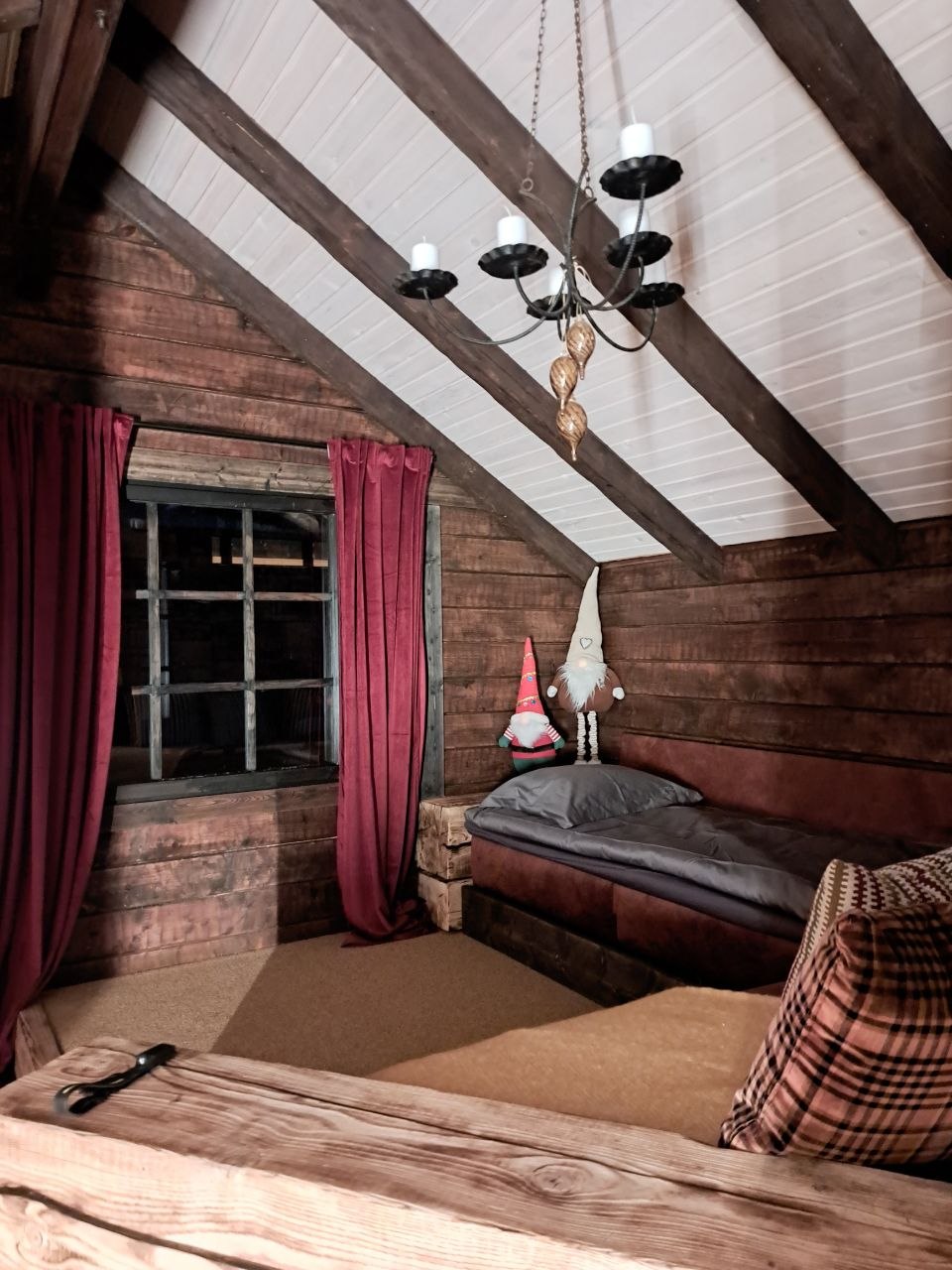
At Cape Kalevala, the entire lodge is exclusively yours. All meals are included, crafted from local and foraged Finnish ingredients. The lakeside location in Finnish Lapland provides the natural setting: forest, lake, sauna, hot tub, and uninterrupted wilderness. The Cape Kalevala team handles all logistics, hospitality, and activities. You design the programme and lead the sessions. Everything else is taken care of.
Step 3: Set Your Pricing
Pricing is where most facilitators either undercharge (out of fear of not filling the retreat) or overcomplicate (trying to create too many pricing tiers). Keep it simple.
The Basic Formula
- Calculate your total costs: Venue (accommodation, meals, activities for all participants), your own travel, any materials or guest facilitators, insurance, marketing costs.
- Divide by your minimum viable group size: Not your ideal group, but the smallest number of participants at which the retreat still makes financial sense.
- Add your facilitation fee: This is your payment for designing, marketing, and leading the retreat. Don't undervalue yourself. A common approach is to add 30-50% on top of costs.
- Compare to market: Research what similar retreats charge. If you are significantly above or below the market, understand why.
Early Bird Pricing
Offer a 10-15% discount for registrations received 4+ months before the retreat. This creates urgency, rewards committed participants, and gives you early confidence in your numbers. Two pricing tiers (early bird + regular) is enough. More than that creates confusion.
Step 4: Market and Fill Your Retreat
The hardest part of hosting a retreat is not the facilitation. It is filling the spots. Begin marketing 6-9 months before your retreat date, and use a multi-channel approach:
- Your existing community: Email list, social media followers, current and past clients. These are your warmest leads. Announce the retreat personally before making a public launch.
- Social media: Share the venue, the vision, and the transformation. Use the venue's imagery (with permission) to paint a picture of the experience. Short-form video works well: a walkthrough of the property, a preview of a session, a testimonial from a past participant.
- Collaborations: Partner with complementary facilitators or brands who reach your target audience. Cross-promotion works well for retreat marketing.
- Retreat directories: List on platforms like BookRetreats, Retreat.guru, and similar directories. These have built-in audiences actively searching for retreats.
Step 5: Design the Programme
Less is more. The most common mistake first-time facilitators make is over-scheduling. Participants need unstructured time to process, rest, and connect informally. A good rule: no more than 3-4 hours of structured programming per day, with the rest left open for optional activities, free time, and the kind of spontaneous conversation that creates lasting bonds.
Sample Daily Schedule
- Morning (7:00-8:00): Optional yoga or meditation
- Breakfast (8:30-9:30): Communal, unhurried
- Morning session (10:00-12:00): Your main workshop or practice
- Lunch (12:30-13:30): Followed by free time
- Afternoon (14:00-17:00): Optional outdoor activity (hiking, canoeing, foraging) or free time
- Evening session (17:30-18:30): Reflection, journaling, or gentle movement
- Dinner (19:00-20:00): Communal
- Evening: Sauna, campfire, free time, aurora viewing (in winter)
Step 6: Handle the Logistics
If you have chosen an all-inclusive venue, most logistics are handled for you. Your remaining responsibilities:
- Registration and payment: Use a simple booking form and payment platform. Collect dietary requirements, emergency contacts, and any relevant health information.
- Travel coordination: Send clear arrival instructions 4-6 weeks before the retreat. If the venue arranges transfers, connect participants with the venue team.
- Communication: Send a welcome email 2 weeks before with what to pack, what to expect, and any pre-retreat preparation. A brief welcome packet on arrival sets the tone.
- Insurance: Carry professional liability insurance. Most reputable retreat venues also carry their own insurance, but yours should cover your facilitation.
Frequently Asked Questions
How do I start planning my own retreat?
Start with your vision of the transformation participants will experience, then work backwards: define group size, choose dates, find a venue that handles logistics, set pricing, and begin marketing 6-9 months in advance.
How much should I charge for my retreat?
Calculate all costs (venue, travel, materials, insurance), divide by your minimum group size, and add 30-50% for your facilitation fee. A 5-7 night retreat at a private lodge typically ranges from $2,000-5,000 per person depending on destination and programme.
What should I look for in a retreat venue?
Exclusive private use (no other groups), all-inclusive packages, a natural setting, flexible session spaces, and a venue team experienced with hosted retreats. The venue should handle logistics so you can focus on facilitation.
How far in advance should I plan?
Plan 9-12 months ahead. Book the venue first, then begin marketing 6-9 months before the date. Open registration at least 6 months early, with an early-bird window. Most retreats fill 2-4 months before the event.
Host Your Retreat at Cape Kalevala
Exclusive venue hire in Finnish Lapland — all-inclusive accommodation, meals, activities, and hospitality. You design the programme. We handle everything else.
Learn About Hosting